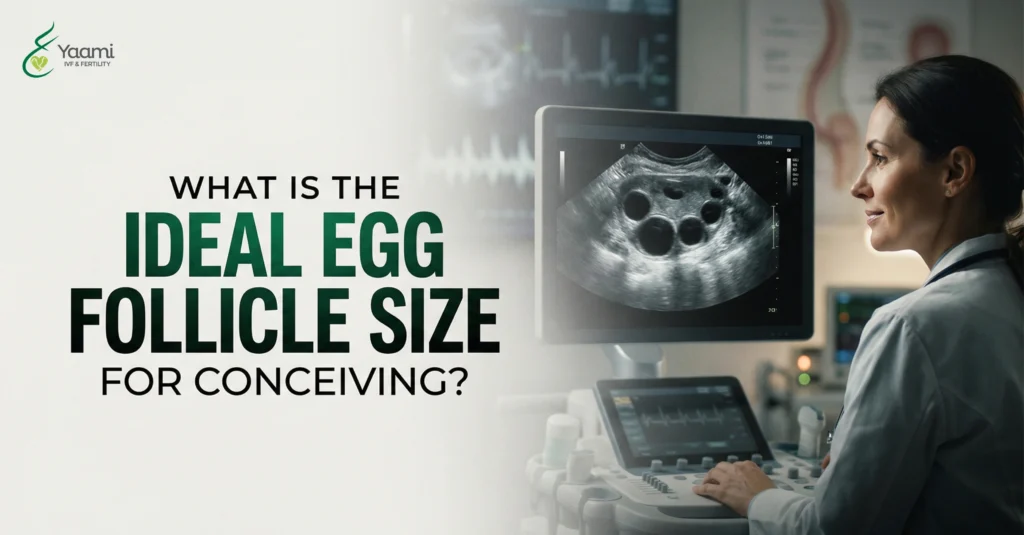
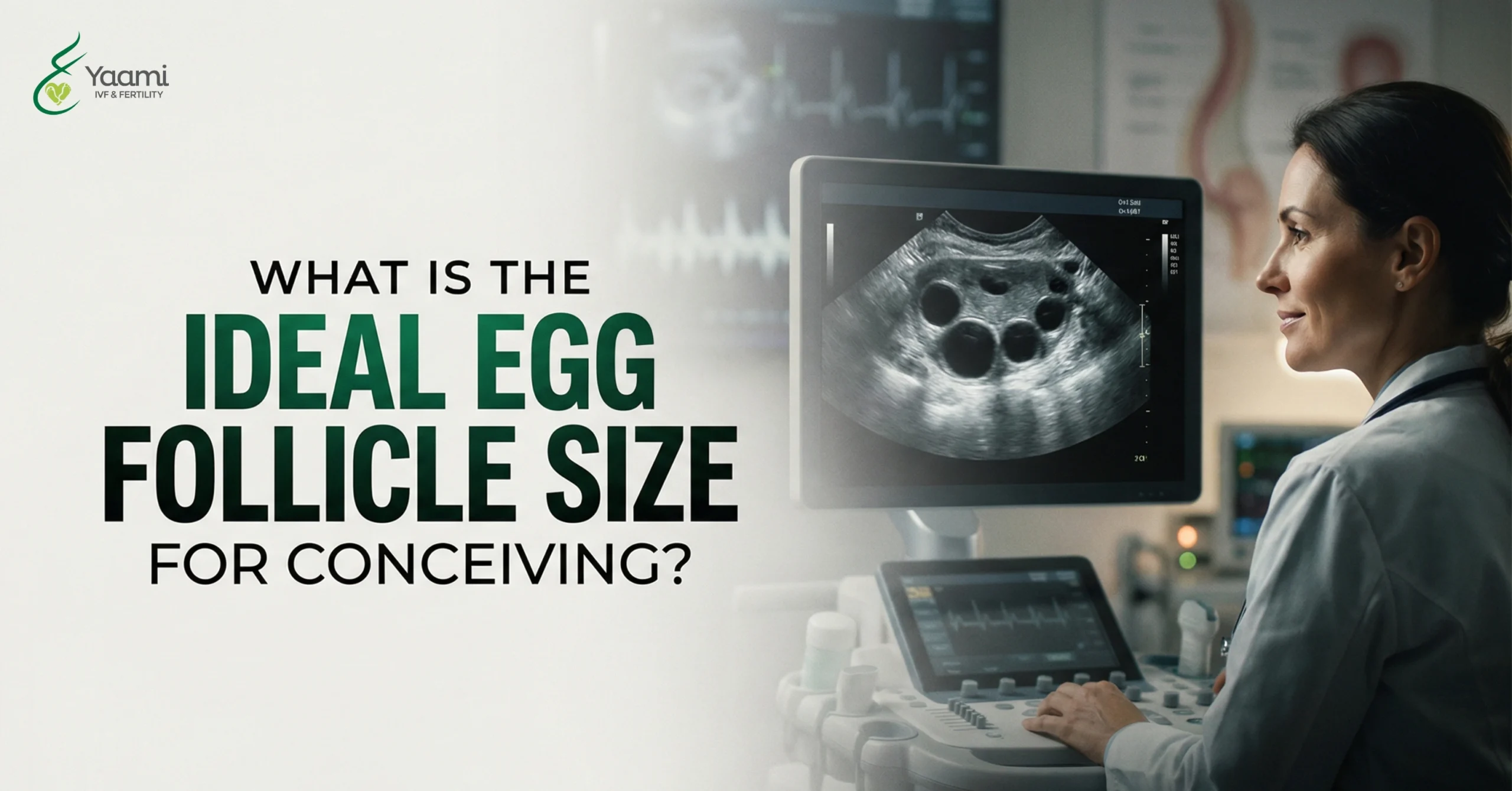
The ideal egg follicle size for conceivingis between 18 mm and 24 mm, which is the normal and most favorable follicle size, whether you are conceiving naturally or through fertility treatments like IUI or IVF. Follicles smaller than this range may contain immature eggs, while large follicles can indicate over-maturity, both of which can reduce pregnancy chances.
Follicle growth is influenced by hormonal balance, age, stress, weight, and underlying conditions such as PCOS, and is commonly monitored through a follicular study using ultrasound. Tracking the normal ovary egg follicle size for conceiving helps identify the most fertile window, optimize timing for intercourse or treatment, and improve overall pregnancy success rates.
Every month, a woman’s body prepares for pregnancy. Inside their ovaries, tiny follicles grow and mature. These tiny follicles are called egg follicles. It might be surprising for you, but the size of these follicles plays a crucial role in determining whether conception will happen or not.
So, if you have been tracking your ovulation or simply trying to understand why pregnancy has not happened yet, understanding egg follicle size could give you some much-needed clarity.
Dr. Swati Singh (Reproductive Medicine), MBBS, MD, DNB, FRM, DRM (Germany) at Yaami IVF and Fertility Centre, Indore, also claims that knowing your egg follicle size for conceiving can help you plan your pregnancy more effectively.
But what is a normal egg follicle size for conceiving, and how does it affect your pregnancy? For better understanding, we have given all the answers to your query about this topic in this blog so read till the end.
What is Egg Follicle Size and Why Does It Matter?
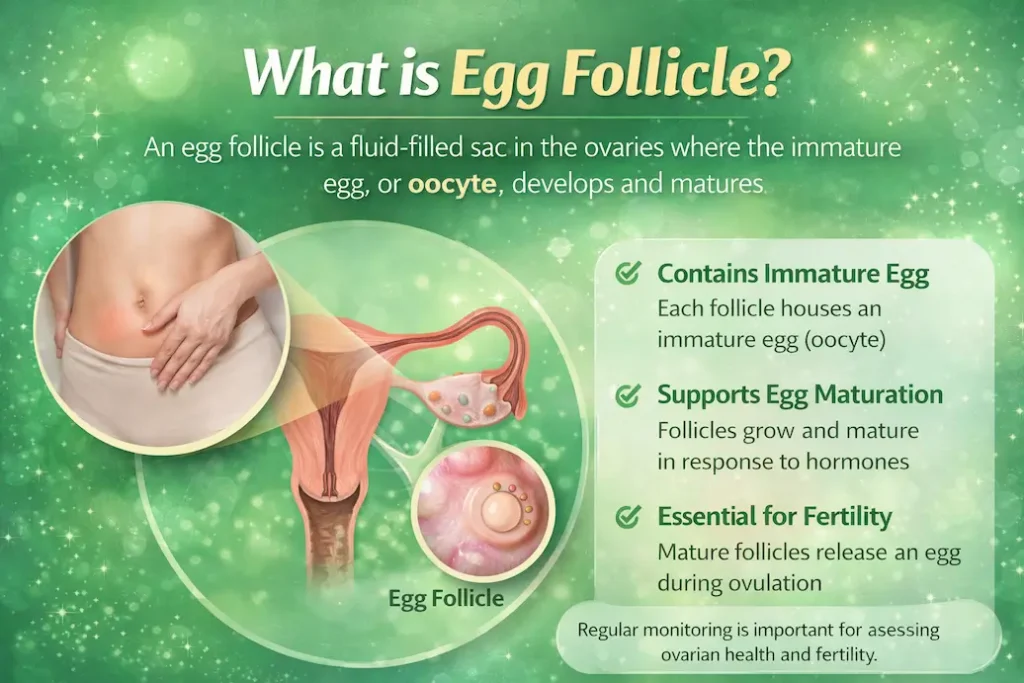
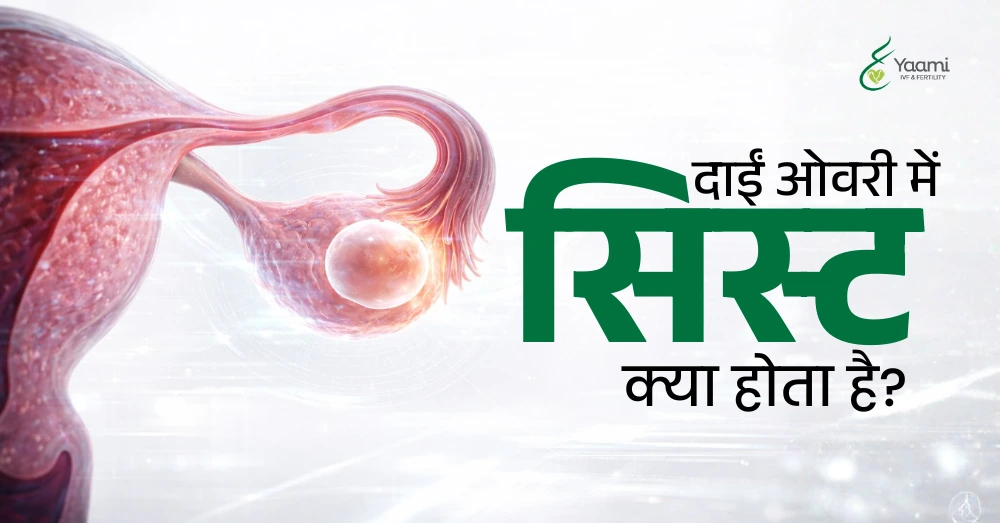
An egg follicle is a small, fluid-filled sac in your ovary that contains an immature egg. Each month, several follicles grow, but only one becomes dominant and matures fully. This mature follicle releases the egg during ovulation, which is when pregnancy can occur if the egg meets sperm.
The size of this follicle directly indicates the maturity of your egg inside. If the follicle is too small, the egg may not be mature enough to be fertilized. If it is too large, the egg might be over-mature.
What is the Ideal Egg Follicle Size for Conceiving?
Now, this is the most common question: how much egg size is required for pregnancy?

If you want to conceive naturally, then the normal ovary egg follicle size for conceiving should be between 18 mm and 24 mm. This is the range where the egg is considered mature and ready to be released. And, if you are taking any fertility treatment, then your fertility specialist considers this same range to increase the chances of successful fertilization.
Follicle Growth and Size: A Guide for Fertility
At the beginning of your menstrual cycle, several small follicles start to develop. These are usually around 2-5 mm in size. As your cycle progresses and hormones like FSH (follicle-stimulating hormone) get active, one follicle becomes dominant and grows faster than the others. Now, let’s understand them according to the specific days with the given table:
| Phase of Cycle | Follicle Size | What it means |
| Day 1-5 | 2mm – 5mm | Small and resting follicles |
| Day 6-10 | 10mm – 15mm | Follicles begin to emerge |
| Day – 11-14 | 18mm – 24mm | Ideal size for conception |
| Ovulation Cycle | Follicle Ruptures | Egg has released into the fallopian tube |
How Egg Size Affects Fertilization and Pregnancy Success
The egg size plays a huge role in a successful pregnancy. Let’s understand why:
- Mature Eggs are Healthier: A follicle that has reached the ideal size contains a mature, healthy egg capable of being fertilized.
- Better Quality Embryos: Eggs from well-developed follicles create stronger embryos that are more likely to implant in your uterus.
- Higher Chances of Pregnancy: Follicles that measure 18-24 mm have the highest success rates in both natural conception and fertility treatments.
Natural Ovulation vs. Fertility Treatments
Whether you are trying to get pregnant naturally or using fertility treatments, the size of the egg follicle in the ovary is very important in both cases:
- Natural Ovulation
In a natural cycle, your body releases hormones that help an egg grow inside a follicle. Ovulation only happens when the follicle is fully grown and releases the egg. You can track this process by using ovulation test kits, checking your body temperature daily, or having a sonography. Knowing how your follicles grow helps you understand your most fertile days and increases your chances of getting pregnant naturally. - Fertility Treatments (IUI, IVF)
In treatments like IUI or IVF, fertility experts give medicines to help the ovaries produce mature eggs. Ultrasounds are done regularly to check how the follicles are growing. This helps doctors decide the best time for insemination or egg collection, adjust medicines if needed, and make sure the eggs are ready before they are released or collected.
Read Also: What is a Good AMH Level to Get Pregnant? – Dr Swati
Factors That Affect Egg Follicle Growth
Sometimes, you may find that your follicles are not growing as expected. This can be frustrating, but it is often due to factors that can be managed with the right care, such as:
- Hormonal Imbalance: There are hormonal conditions like PCOS that can cause many follicles to form, but none to reach the dominant size.
- Age: Once your age crosses 35, your egg count or quality starts to drop, then your follicles may not grow well, or your ovulation can get unpredictable.
- Stress Levels: Stress doesn’t cause infertility issues in your body directly, but high cortisol triggered due to stress can sometimes slow down your follicle growth.
- Weight: If you are overweight or underweight, then it can disrupt your hormone balance, which means less follicle growth and irregular ovulation.
Follicular Study: What Is It and How Does It Help?
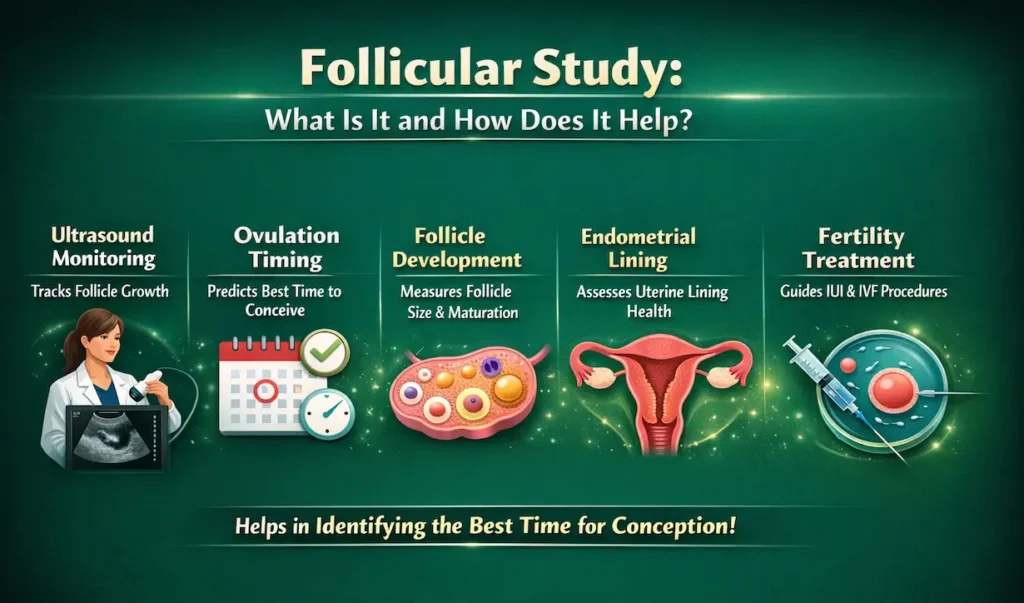
A follicular study is a series of vaginal ultrasounds that track the development of your follicles. This helps your fertility specialist understand if the follicles are growing at the right pace and they are reaching the ideal size for ovulation:
- Pinpoints Ovulation: It tells you exactly when you are most fertile.
- Predicts Timing: It helps you and your partner know the best days for intercourse or clinical procedures.
- Monitors Medication: If you are taking fertility treatment, then it ensures your ovaries are responding safely.
- Identifies Issues: It can help your fertility specialist see if follicles are failing to grow or if they are collapsing too early.
Conclusion
Knowing your egg follicle size for conceiving is important when you are trying to conceive. A mature follicle between 18 – 24 mm means your egg is ready for ovulation and fertilization.
According to the fertility expert Dr. Swati Singh, it doesn’t matter if you are trying to conceive naturally or considering fertility treatments; tracking follicle growth through a follicular study helps measure the right timing for a successful pregnancy.
So, if your follicles are not growing properly, or you are concerned about anything related to fertility, then don’t stress. We at Yaami IVF & Fertility Centre, Indore, are there to guide you in each step of your motherhood journey.
Many issues can be addressed with the right care and guidance from our team. If you want to book a consultation, you can contact us at 78800 07281
FAQ: Egg Follicle Size for Conceiving
How much egg size is required for pregnancy?
In most of the cases, a follicle size between 18mm and 24mm is considered ideal for a successful pregnancy.
How much egg size increase per day?
In a healthy cycle, a dominant follicle usually grows at a rate of about 1mm to 2mm per day.
Why is egg size not increasing?
This can be due to hormonal imbalances like PCOS, low ovarian reserve, or high stress. A specialist can help identify the exact cause through blood tests.
Can I conceive with smaller follicles?
While it is more difficult, conception is sometimes possible with follicles slightly smaller than 18mm, though the risk of the egg being immature is higher.

Dr. Swati Singh (MBBS, MD – Obstetrics & Gynecology, DNB, FRM, Diploma in Reproductive Medicine and Embryology – Germany) is a leading Infertility Specialist and Gynecologist with over 18 years of experience. As Co-Founder and Senior Consultant at Yaami Fertility & IVF Center, Indore, she offers advanced fertility care including IUI, IVF, ICSI, and management of female reproductive disorders. Known for her compassionate and patient-first approach, Dr. Swati combines global training with deep clinical expertise. She is also actively involved in women’s health advocacy, medical research, and promoting awareness about reproductive wellness and fertility treatments.